
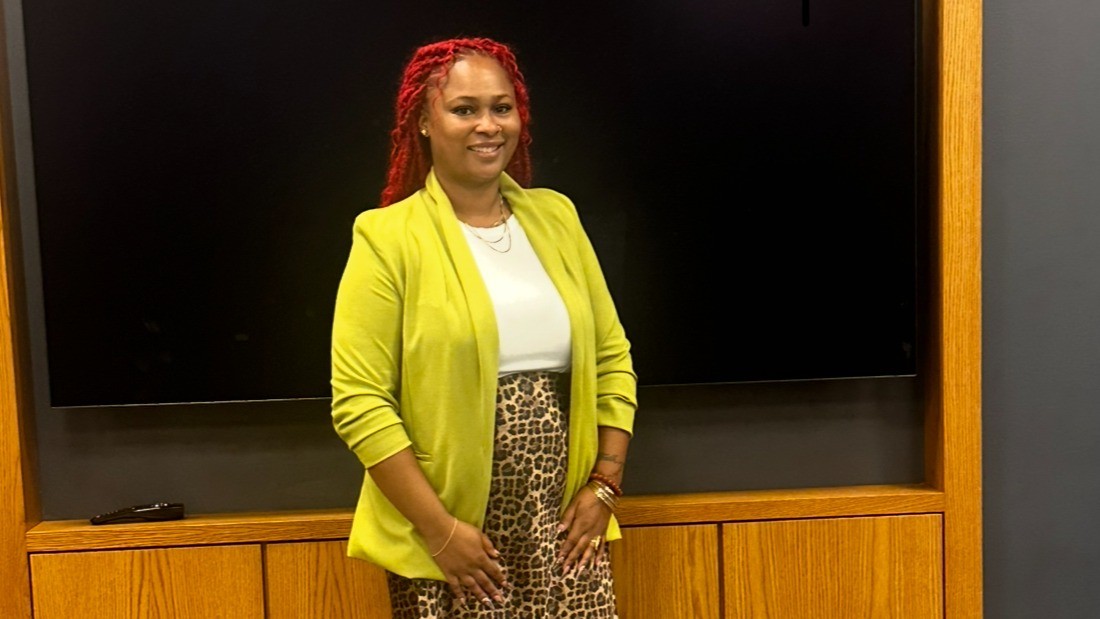
Phyllis Everette BA, MS, CLC, Contributing Writer
Non-Profit Executive | Driving Social Impact & Community Empowerment | Revolutionizing the Way We Think of and Engage
I wasn’t prepared for what I witnessed at that meeting. None of us were.
Miranda stood before us, her infant cradled against her chest, her voice steady despite the trembling in her hands. Just months ago, she was like many of us—a mother of four with a stable job, reliable housing, and dreams for her children’s future. Then her son was hit by a bus, airlifted from Austin to Houston, and everything changed in an instant.
“My boss said take all the time you need,” she told us, tears welling. “My landlord promised to understand if rent was late.”
But as Miranda shuttled between cities, between hospital rooms and rehabilitation appointments, the promises evaporated. Her job—gone. Her apartment of seven years, with an impeccable payment history, was given to someone else who could pay on time. A mother who had done everything right now lived in her car with her children, drowning in paperwork from the very agencies meant to help her.
Then Jeremy shared his story—orphaned at three when his mother took her own life, battling bipolar disorder and profound trauma that left him unable to tolerate enclosed spaces or solitude. His one comfort? Chickens. His dedicated caseworker spent years finding him housing that would accommodate this small need, this tiny thread of stability in his unraveled life. She was determined and understood what others couldn’t—that sometimes healing comes in unexpected forms. After some time, Jeremy’s desire came true. Later, his chicken died, and Jeremy became homeless once again, finding solace only in his art, which he now sells at a local shop. A small victory in a system that failed to sustain his fragile stability.
Tears streamed down faces throughout the room as these raw, authentic stories laid bare the truth of prevention’s failure.
I stood up, my voice breaking: “This is prevention. This is prevention. Why didn’t anybody see it?”
These are not stories of personal failure. These are stories of systemic failure.
In our own community, 44% of people experiencing homelessness report this is their first time. First time. People who never imagined they would be here. People like Miranda and Jeremy. People like your neighbor, your colleague, perhaps even you—because a recent study found that more than half of all Americans are just one missed paycheck away from losing everything.
One paycheck. One medical emergency. One car breakdown. One unexpected funeral.
The economic reality is stark: while prevention programs spend an average of $12,000-$22,000 per household to keep families housed, a single chronically homeless person costs taxpayers as much as $50,000 per year. Prevention isn’t just compassionate—it’s fiscally responsible.
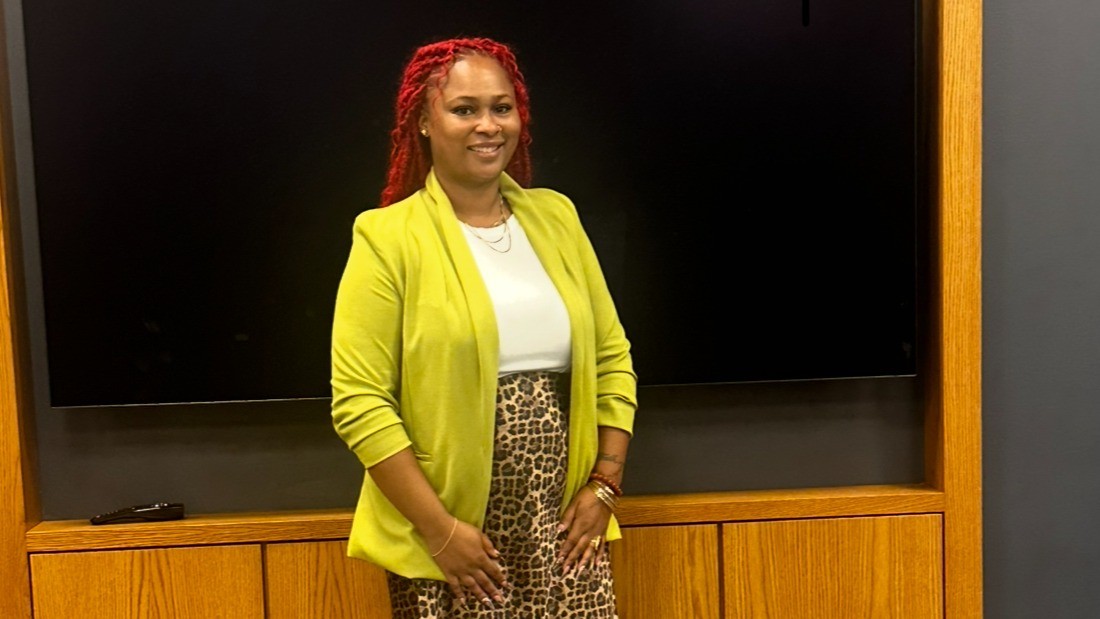
This is where the New Program Manager, Ashleigh Hamilton, enters our story. Born and raised in Austin, Ashleigh understands our community’s unique challenges. Helping her streamline this process, Echo hired a planning team selected through a national prevention grant. Ashleigh Hamilton has put together Rooted Voices and working groups that will elevate lived experiences in decision-making. Her goal is to move from planning to implementation to stability, building a system that lasts.
My concern is not the planning and logistics. The ones at the table helping design this to completion need the support of policymakers from the beginning. Without that crucial backing, even the most brilliantly designed prevention system will falter.
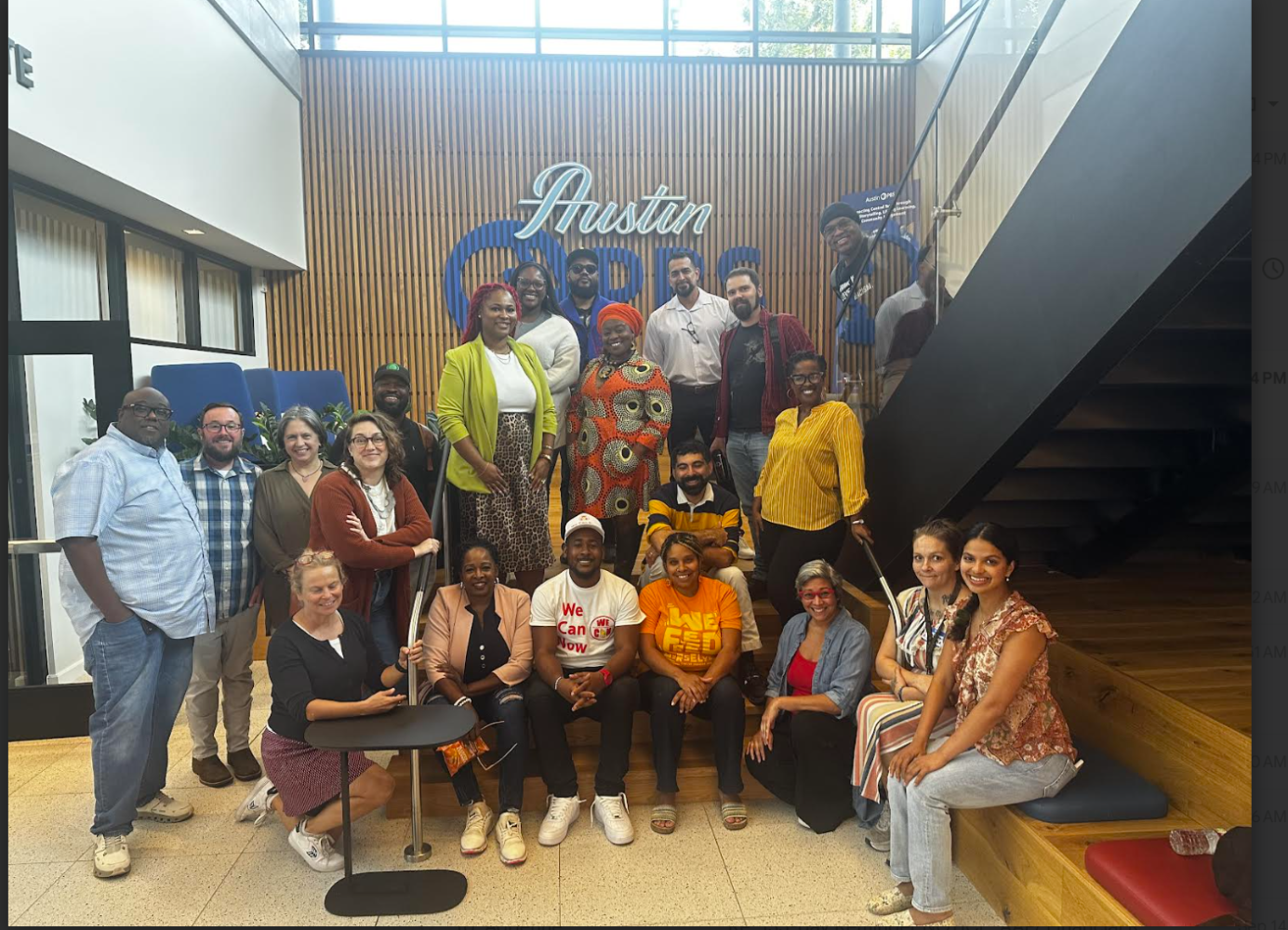
Ashleigh sees what others miss: that true prevention happens long before someone approaches a shelter door. It happens when a mother can keep her job while caring for an injured child. It happens when a man with mental health challenges can find housing that accommodates his needs for healing. It happens when we build safety nets strong enough to catch people before they fall through the cracks.
Organizations like Saffron Trust have proven this model works—serving as that critical safety net that keeps families from entering homelessness in the first place. But they cannot do it alone. They need commitment from State and Local officials. They need funding. They need political will. In 2023, Saffron Trust did close to 1 million dollars in service, without securing on single salary.
The question before us is simple but profound: Will we continue to pour resources into managing homelessness after it occurs? Or will we have the courage to invest in preventing it before it begins?
Ashleigh Hamilton has shown us the path forward. She has assembled the expertise, earned the trust of the community, and designed a framework that works. What she needs now is our unwavering support to scale these solutions. We have no problem saying we love Ashleigh and see the vision she has set before us.
Every dollar we invest in prevention today saves not just money tomorrow, but something far more precious, the dignity and stability of families in our community. Families who are one emergency away from losing everything. Families who could be our own.
This is our moment to make a choice that reflects our values as a city. To recognize that the most effective solution to homelessness isn’t better management of the crisis—it’s preventing the crisis altogether.
Ashleigh Hamilton is ready to lead. The question is: are we ready to follow and form a tribe of leaders that are unbreakable? We are better together than apart!
The question is: are we prepared to establish and join a group of leaders who are resilient?
 UJIMA MAGAZINE