
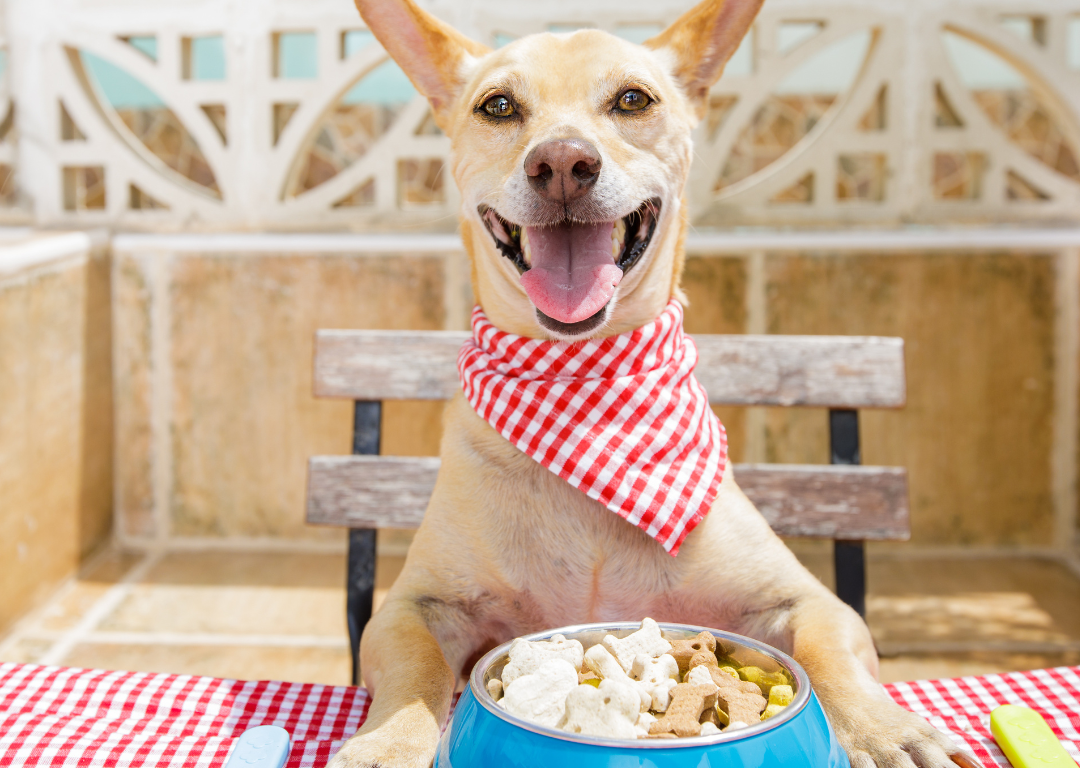
Ensuring your pet receives the right nutrition is crucial for their overall health, energy levels, and longevity. Just like humans, pets require a balanced diet to thrive. Here’s a guide to understanding and providing healthy nutrition for your furry friends.

Balanced Diet
A balanced diet is the cornerstone of good health for pets. Here are the key components:
- Protein: Essential for growth, muscle development, and tissue repair. High-quality sources include meat, fish, eggs, and specific plant-based proteins.
- Fats: Provide energy, support cell function, and help in the absorption of fat-soluble vitamins. Sources include fish oil, chicken fat, and flaxseed.
- Carbohydrates: Supply energy and support digestive health. Opt for whole grains, vegetables, and fruits.
- Vitamins and Minerals: Crucial for various bodily functions, including immune support, bone health, and metabolic processes. Ensure the diet includes a variety of sources to cover these needs.
Life Stage and Health Condition Appropriate
Different life stages and health conditions require tailored diets:
- Puppies/Kittens: Require higher protein and fat content for growth and development.
- Adults: Need a balanced diet to maintain health and energy levels.
- Seniors: May benefit from lower calorie intake, joint supplements, and easily digestible ingredients.
- Health Conditions: Specialized diets may be necessary for pets with allergies, obesity, kidney disease, diabetes, etc.
Quality Ingredients
The quality of ingredients in your pet’s food is paramount:
- Meat as a Primary Ingredient: Look for pet foods that list meat (chicken, beef, fish) as the first ingredient.
- Avoid Fillers: Minimize or avoid fillers like corn, soy, and wheat, which provide little nutritional value.
- Natural Preservatives: Prefer foods preserved with natural substances like vitamin E (mixed tocopherols) over artificial preservatives.
Proper Feeding Practices
Good feeding practices are essential for maintaining your pet’s health:
- Portion Control: Feed the appropriate amount based on your pet’s size, age, and activity level to prevent obesity.
- Consistent Feeding Schedule: Maintain regular feeding times to help with digestion and routine.
- Fresh Water: Always provide access to clean, fresh water.
Regular Monitoring and Adjustments
Regular monitoring of your pet’s diet and health ensures they receive optimal nutrition:
- Vet Consultations: Schedule regular check-ups to adjust diet based on health changes and ensure nutritional needs are met.
- Observe Changes: Monitor weight, coat condition, energy levels, and stool quality to detect any nutritional deficiencies or excesses.
Consideration of Special Diets
For pets with specific dietary needs, consider special diets:
- Grain-Free or Limited Ingredient: Ideal for pets with specific allergies or sensitivities.
- Homemade Diets: Ensure they are well-balanced and vet-approved to provide all necessary nutrients.
By focusing on these aspects, you can ensure that your pet receives the best possible nutrition, tailored to their individual needs. A healthy diet will support their overall well-being, keeping them active and happy for years to come.
 UJIMA MAGAZINE